
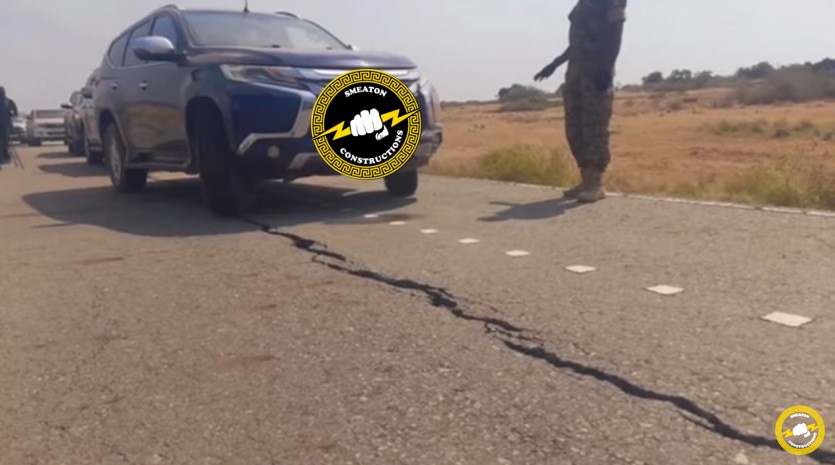
Hoima, Uganda — January 10, 2026 — The 92-kilometre Hoima-Kaiso-Tonya Road, a critical transport corridor in Uganda’s Western Region and the Albertine oil-producing belt, has developed major structural cracks just 11 years after its completion. The deterioration has raised serious concern among road users, local leaders, engineers, and government officials over construction quality, maintenance, and long-term infrastructure sustainability.
🚧 Background: Construction and Strategic Importance
The Hoima-Kaiso-Tonya Road was constructed between 2011 and 2014 at an estimated cost of UGX 314 billion. It connects Hoima City to the lakeside towns of Kaiso and Tonya, playing a vital role in:
- Supporting oil and gas activities in the Albertine Graben
- Linking communities to Hoima City and Lake Albert
- Facilitating trade, tourism, and service delivery
At the time of completion, the road was widely praised as a key milestone in Uganda’s infrastructure development, particularly for the oil and gas sector.
🧱 Unexpected Cracks After Just Over a Decade
During a recent inspection, the Minister of Works and Transport, alongside technical teams, confirmed that the road has developed widespread cracking and pavement distress.
According to officials, the damage observed is not typical for a road of this age, suggesting that the problem goes beyond normal wear and tear. Engineers noted signs of deeper structural failure that may require more than routine maintenance.
⚠️ Possible Causes Under Investigation
Although investigations are still ongoing, preliminary engineering assessments suggest several possible contributing factors:
- Weak or unstable subgrade soils
- Inadequate drainage systems
- Structural design limitations
- Construction quality concerns
- Environmental and ground movement in the Albertine region
Some sections of the road show patterns similar to ground movement or subsurface failure, raising alarms about long-term durability if corrective action is delayed.
🚛 Impact on Transport and Local Communities
The road serves thousands of road users daily and remains essential for:
- Transport of goods and agricultural produce
- Oil-related logistics and support services
- Access to healthcare, schools, and markets
- Community mobility along Lake Albert
The developing cracks have already begun affecting travel speed, vehicle maintenance costs, and overall road safety. If left unattended, the damage could significantly disrupt economic activity in the region.
🛠️ Government Response and Next Steps
The Ministry of Works and Transport has confirmed that the damage exceeds routine maintenance requirements. Authorities are currently:
- Conducting a detailed technical investigation
- Assessing whether partial rehabilitation or full reconstruction is necessary
- Reviewing construction and geological reports
Officials have emphasized that corrective action will depend on the final engineering findings to ensure the road’s long-term performance.
🇺🇬 Why Road Quality Matters for Uganda’s Development
Road infrastructure remains the backbone of Uganda’s economy. Roads like Hoima-Kaiso-Tonya:
- Enable regional and national trade
- Support priority sectors such as oil, agriculture, and tourism
- Improve access to essential services
- Strengthen community connectivity
Premature road failure increases public costs, undermines development goals, and highlights the need for stronger quality control and sustainable engineering practices.
💙 Building with Purpose and Hope
At Smeaton Constructions, we believe infrastructure must be safe, durable, and people-centred. Roads, homes, and public facilities should uplift communities and protect livelihoods.
Through our Give Hope Initiative, we continue to support vulnerable families and children by promoting safe shelter and resilient construction — because strong infrastructure builds stronger futures.
📝 Conclusion
The development of major cracks on the Hoima-Kaiso-Tonya Road just 11 years after completion is a wake-up call for Uganda’s infrastructure sector. As investigations continue, the focus must remain on accountability, engineering excellence, and long-term solutions to ensure public investments deliver lasting value.