
Products by Category
-
2-Bedroom House Plan
Original price was: $ 300.$ 250Current price is: $ 250. -
2-Bedroom House Plan Modern Residential Design
Original price was: $ 300.$ 250Current price is: $ 250. -
3 Bedroom Bungalow House Plan
Original price was: $ 300.$ 250Current price is: $ 250. -
3 Bedroom Contemporary House Plan
Original price was: $ 300.$ 250Current price is: $ 250. -
3 Bedroom Duplex House Plan
Original price was: $ 300.$ 250Current price is: $ 250. -
3 Bedroom Low-Cost House Plan
Original price was: $ 300.$ 250Current price is: $ 250. -
3 Bedroom Luxury House Plan
Original price was: $ 300.$ 250Current price is: $ 250. -
3 bedroom modern house design
Original price was: $ 400.$ 350Current price is: $ 350. -
3 Bedroom Modern House Plan
Original price was: $ 300.$ 250Current price is: $ 250.


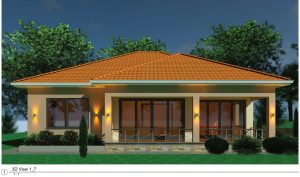

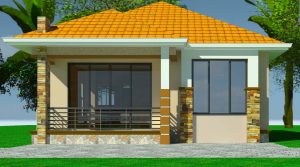
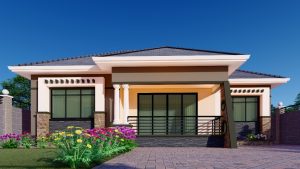
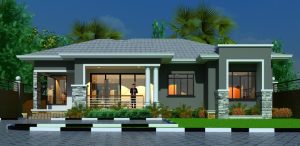

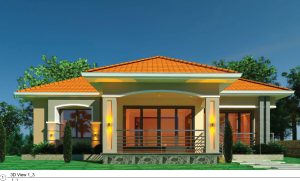
The cost of land in Uganda is rising rapidly, significantly influencing how homeowners plan and build their houses. As urban areas expand and demand for property increases, many individuals are being forced to rethink traditional building approaches.
Across the country, especially in Kampala, Wakiso, and surrounding areas, land prices have surged due to population growth, urbanisation and limited availability of serviced plots. This shift is directly impacting construction decisions for homeowners and developers alike.
Companies such as Smeaton Constructions are helping clients adapt to these changes through professional construction services and their Uganda platform smeatonconstructions.ke, enabling smarter building decisions in a changing market.
Rising land prices reshaping construction choices
Land has become one of the most expensive components of building a home in Uganda. In urban areas, limited space and high demand are pushing prices upward, especially in and around Kampala.
Key factors driving land price increases include:
limited land availability in major cities
rapid urban population growth
infrastructure development increasing land value
high demand for residential and commercial plots
Recent data shows that property prices in Uganda have increased by over 9 percent annually, with areas like Wakiso experiencing even higher growth due to demand spillover from Kampala.
As land becomes more expensive, homeowners are being forced to adjust their construction strategies.
Shift towards smaller plots and efficient designs
With rising land costs, many homeowners are opting for smaller plots and more space-efficient house designs. Large compounds are becoming less common, particularly in urban and peri-urban areas.
Common changes include:
building on smaller plots of land
adopting compact house designs
maximising vertical space with multi-storey homes
reducing unused outdoor space
Experts are increasingly encouraging vertical construction as cities run out of land, making better use of limited space.
This shift is helping homeowners manage costs while still achieving functional and modern living spaces.
Increased focus on phased construction
Another major impact of rising land prices is the growing trend of phased construction. Instead of building a complete house at once, many homeowners are now constructing in stages.
This approach allows individuals to:
start with essential structures and expand over time
manage financial pressure more effectively
adjust building plans based on available funds
prioritise key living spaces first
Phased construction is becoming a practical solution, especially as both land and construction costs continue to rise.
Movement to peri-urban and emerging areas
As land prices increase in central urban areas, many homeowners are moving to more affordable locations outside the city.
Popular trends include:
relocating to districts like Wakiso and Mukono
developing homes in emerging towns
investing in land further from city centres
targeting areas with upcoming infrastructure
This movement is largely driven by affordability, as land in Kampala becomes increasingly scarce and expensive.
While this reduces initial land costs, it often requires careful planning for transport, utilities and future development.
Balancing land costs with construction quality
Rising land prices are also affecting how homeowners allocate their budgets between land purchase and construction quality.
Key adjustments include:
reducing house size to maintain quality finishes
choosing cost-effective building materials
prioritising structural durability over luxury features
working with professional contractors for efficiency
At the same time, construction costs are also increasing, with residential building costs rising significantly in recent years.
This makes it even more important for homeowners to plan carefully and work with experienced construction professionals.
The role of planning and smart building decisions
As land prices continue to rise, proper planning is becoming more critical than ever. Homeowners must make informed decisions to ensure long-term value and sustainability.
Important considerations include:
site planning and land utilisation
budget allocation between land and construction
design efficiency and future expansion
working with professional construction teams
Professional companies such as Smeaton Constructions are supporting homeowners by providing guidance, modern designs and efficient construction solutions tailored to current market conditions.
Supporting Uganda’s evolving housing market
Uganda’s rising land prices are reshaping the housing and construction landscape. While this presents challenges, it also encourages innovation in building design, planning and project execution.
With continued urban growth and infrastructure development, land values are expected to remain high, making efficient construction strategies essential for homeowners.
Through platforms such as smeatonconstructions.ke, companies like Smeaton Constructions are helping clients navigate these changes and build homes that meet modern standards.
Conclusion
Rising land prices in Uganda are significantly changing how homeowners approach building projects. From smaller plots and vertical designs to phased construction and relocation to emerging areas, the industry is adapting to new economic realities.
By focusing on smart planning, efficient designs and quality construction, homeowners can successfully navigate these challenges and create sustainable, long-term housing solutions.
The cost of land in Uganda is rising rapidly, significantly influencing how homeowners plan and build their houses. As urban areas expand and demand for property increases, many individuals are being forced to rethink traditional building approaches.
Across the country, especially in Kampala, Wakiso, and surrounding areas, land prices have surged due to population growth, urbanisation and limited availability of serviced plots. This shift is directly impacting construction decisions for homeowners and developers alike.
Companies such as Smeaton Constructions are helping clients adapt to these changes through professional construction services and their Uganda platform smeatonconstructions.ke, enabling smarter building decisions in a changing market.
Rising land prices reshaping construction choices
Land has become one of the most expensive components of building a home in Uganda. In urban areas, limited space and high demand are pushing prices upward, especially in and around Kampala.
Key factors driving land price increases include:
limited land availability in major cities
rapid urban population growth
infrastructure development increasing land value
high demand for residential and commercial plots
Recent data shows that property prices in Uganda have increased by over 9 percent annually, with areas like Wakiso experiencing even higher growth due to demand spillover from Kampala.
As land becomes more expensive, homeowners are being forced to adjust their construction strategies.
Shift towards smaller plots and efficient designs
With rising land costs, many homeowners are opting for smaller plots and more space-efficient house designs. Large compounds are becoming less common, particularly in urban and peri-urban areas.
Common changes include:
building on smaller plots of land
adopting compact house designs
maximising vertical space with multi-storey homes
reducing unused outdoor space
Experts are increasingly encouraging vertical construction as cities run out of land, making better use of limited space.
This shift is helping homeowners manage costs while still achieving functional and modern living spaces.
Increased focus on phased construction
Another major impact of rising land prices is the growing trend of phased construction. Instead of building a complete house at once, many homeowners are now constructing in stages.
This approach allows individuals to:
start with essential structures and expand over time
manage financial pressure more effectively
adjust building plans based on available funds
prioritise key living spaces first
Phased construction is becoming a practical solution, especially as both land and construction costs continue to rise.
Movement to peri-urban and emerging areas
As land prices increase in central urban areas, many homeowners are moving to more affordable locations outside the city.
Popular trends include:
relocating to districts like Wakiso and Mukono
developing homes in emerging towns
investing in land further from city centres
targeting areas with upcoming infrastructure
This movement is largely driven by affordability, as land in Kampala becomes increasingly scarce and expensive.
While this reduces initial land costs, it often requires careful planning for transport, utilities and future development.
Balancing land costs with construction quality
Rising land prices are also affecting how homeowners allocate their budgets between land purchase and construction quality.
Key adjustments include:
reducing house size to maintain quality finishes
choosing cost-effective building materials
prioritising structural durability over luxury features
working with professional contractors for efficiency
At the same time, construction costs are also increasing, with residential building costs rising significantly in recent years.
This makes it even more important for homeowners to plan carefully and work with experienced construction professionals.
The role of planning and smart building decisions
As land prices continue to rise, proper planning is becoming more critical than ever. Homeowners must make informed decisions to ensure long-term value and sustainability.
Important considerations include:
site planning and land utilisation
budget allocation between land and construction
design efficiency and future expansion
working with professional construction teams
Professional companies such as Smeaton Constructions are supporting homeowners by providing guidance, modern designs and efficient construction solutions tailored to current market conditions.
Supporting Uganda’s evolving housing market
Uganda’s rising land prices are reshaping the housing and construction landscape. While this presents challenges, it also encourages innovation in building design, planning and project execution.
With continued urban growth and infrastructure development, land values are expected to remain high, making efficient construction strategies essential for homeowners.
Through platforms such as smeatonconstructions.ke, companies like Smeaton Constructions are helping clients navigate these changes and build homes that meet modern standards.
Conclusion
Rising land prices in Uganda are significantly changing how homeowners approach building projects. From smaller plots and vertical designs to phased construction and relocation to emerging areas, the industry is adapting to new economic realities.
By focusing on smart planning, efficient designs and quality construction, homeowners can successfully navigate these challenges and create sustainable, long-term housing solutions.