
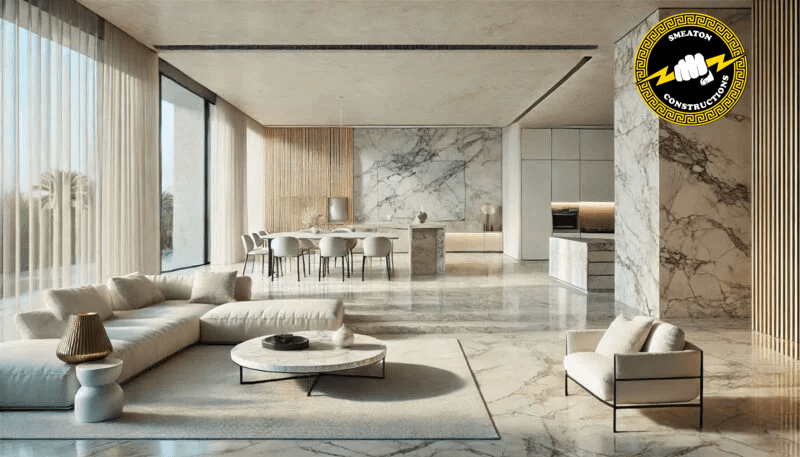
Modern interior design is evolving beyond just open-plan concepts. While open spaces create a sense of freedom and flow, closed spaces provide privacy and functionality. Striking the right balance between open and closed areas is becoming essential in creating comfortable and practical homes.
In 2026, homeowners are looking for interiors that offer both connectivity and separation. A well-balanced design ensures that spaces feel open without sacrificing privacy or purpose.
Through Smeaton House Plans, Smeaton Constructions helps clients achieve interior layouts that perfectly combine openness with functional separation.
Understanding open and closed spaces
Interior spaces serve different purposes.
Open spaces typically include:
living and dining areas
kitchens connected to common spaces
shared family zones
Closed spaces include:
bedrooms
bathrooms
home offices
private areas
Balancing both is key to effective design.
Benefits of open spaces
Open layouts enhance the overall feel of a home.
They help to:
create a sense of spaciousness
improve natural lighting
enhance airflow
encourage social interaction
This makes homes feel larger and more connected.
Importance of closed spaces
Privacy and focus require enclosed areas.
Closed spaces provide:
quiet environments
personal privacy
better noise control
dedicated functional use
👉 With Smeaton House Plans, homeowners can design layouts that maintain privacy while still enjoying open living areas.
Achieving the right balance
A successful interior combines both concepts.
This can be achieved through:
partial partitions
sliding doors
glass dividers
zoning techniques
These solutions allow flexibility without fully closing off spaces.
Improving functionality in modern homes
Balanced layouts improve everyday living.
They support:
work-from-home needs
family activities
entertainment areas
private relaxation spaces
This enhances usability.
Enhancing aesthetics and design flow
Balance improves visual appeal.
It helps to:
create organised interiors
maintain design harmony
avoid overcrowding
define different zones clearly
👉 Smeaton House Plans ensures interiors are both visually appealing and functionally efficient.
Adapting to changing lifestyles
Modern lifestyles require flexible spaces.
Balanced interiors allow:
easy space transformation
multi-purpose room usage
future modifications
better adaptability
Homes become more versatile.
The future of interior layouts
Interior design continues to evolve.
Future trends include:
flexible partition systems
smart space management
minimalist zoning concepts
adaptive interior designs
Balance will remain essential.
Conclusion
Balancing open and closed spaces is key in interior design as it improves comfort, functionality and overall living experience. While open areas create flow and connection, closed spaces provide privacy and purpose.
With Smeaton House Plans, homeowners can achieve well-balanced interiors that combine modern design with practical living solutions.