
-
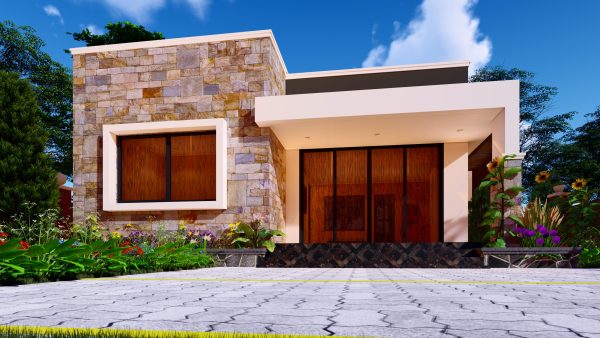
2-Bedroom House Plan
Original price was: $ 300.$ 250Current price is: $ 250. -
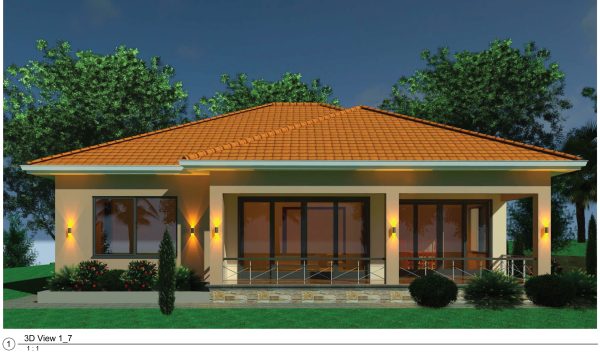
2-Bedroom House Plan Modern Residential Design
Original price was: $ 300.$ 250Current price is: $ 250. -
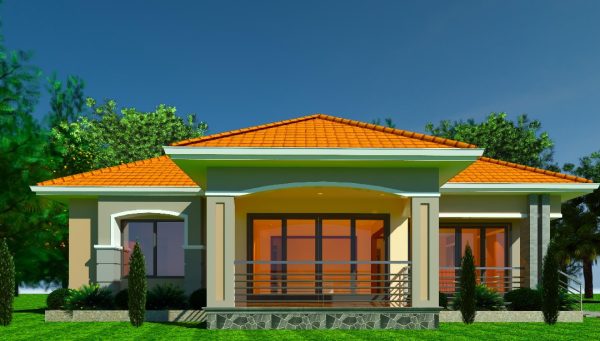
3 Bedroom Bungalow House Plan
Original price was: $ 300.$ 250Current price is: $ 250. -
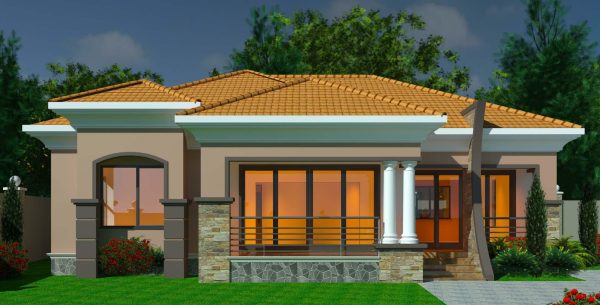
3 Bedroom Contemporary House Plan
Original price was: $ 300.$ 250Current price is: $ 250.
Designing a home today is no longer only about fitting a building on land.
It is about planning for growth, flexibility and long-term comfort.
At Smeaton Constructions, smarter home planning focuses on how families live today — and how their needs may change tomorrow — across both urban and rural communities in Uganda.
Why plot-based planning matters
Many homeowners face common challenges:
- limited land sizes in towns and trading centres
- irregular plot shapes
- future family expansion
- changing income and lifestyle needs
Smarter planning ensures that the house remains practical, comfortable and expandable over time.
Smart planning for small plots
Small plots require careful space management.
A well-designed small-plot home focuses on:
- compact circulation spaces
- open-plan living and dining areas
- multi-purpose rooms
- efficient kitchen and bathroom layouts
This allows homeowners to enjoy full functionality without overcrowding the building.
Designing balanced homes for medium plots
Medium-sized plots provide more flexibility.
Smarter layouts support:
- clear separation between private and public spaces
- better natural lighting and ventilation
- small outdoor areas for relaxation or future extensions
- flexible room arrangements for home offices or guest rooms
This approach improves everyday comfort while maintaining future adaptability.
Planning for expanding plots and phased construction
Many families prefer to build in stages.
Smarter home planning supports:
- future room additions
- vertical expansion (upper floors)
- later upgrades to finishes and services
- planned structural allowances for growth
This reduces demolition, protects budgets and maintains structural safety.
Layout flexibility for changing family needs
A home should adapt as life changes.
Smart design allows spaces to become:
- children’s rooms converted into study spaces
- guest rooms converted into rental units
- storage spaces converted into work areas
Flexible planning protects the long-term usefulness of the house.
Cost efficiency through smart design
Smarter layouts help homeowners to:
- reduce wasted circulation space
- simplify roof and structural systems
- control material quantities
- minimise unnecessary future alterations
This makes both construction and future upgrades more affordable.
Supporting comfort and daily usability
Smart homes improve daily living through:
- improved airflow and natural lighting
- logical movement between rooms
- better privacy zoning
- easier furniture placement
Comfort and usability remain central to good residential planning.
Preparing homes for modern services
Modern homes require:
- efficient plumbing layouts
- safe electrical distribution
- internet and security provisions
- proper drainage planning
Smarter design integrates these systems without disturbing future expansions.
What this means for homeowners and developers
Planning smarter homes means:
- protecting land investment
- improving resale and rental value
- reducing renovation costs
- creating homes that remain functional for many years
It allows homeowners to build confidently, even when budgets require phased construction.
Final outlook
Planning smarter homes for small, medium and expanding plots ensures that houses remain adaptable, affordable and comfortable.
With professional design and forward-looking layouts, homeowners can build once — and grow wisely.