
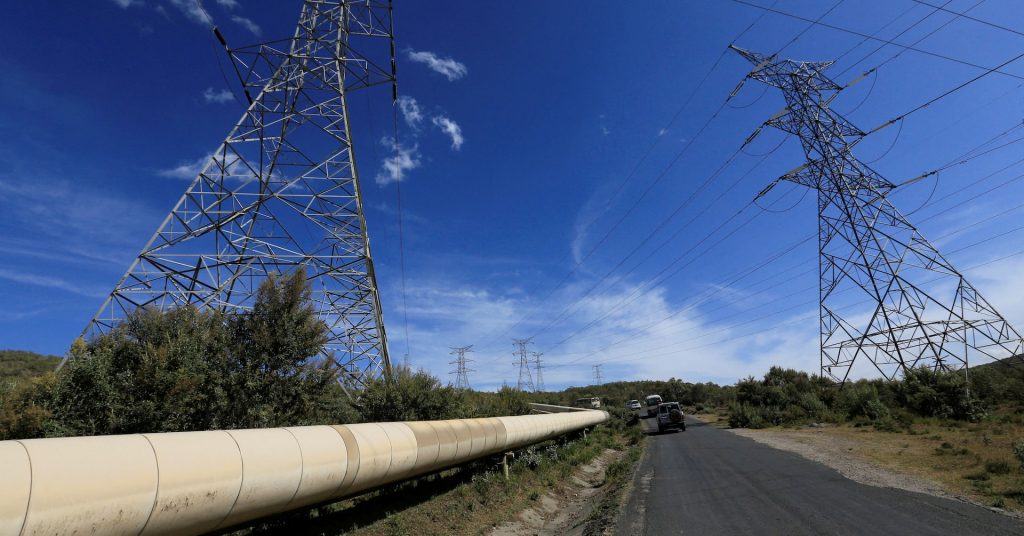
Kenya is undertaking a major power grid expansion aimed at strengthening electricity transmission, reducing outages, and supporting economic growth across the country. This large-scale infrastructure initiative is transforming how power is generated, transmitted, and distributed — creating new opportunities for industries, communities, and the construction sector.
For construction companies like Smeaton Constructions, power infrastructure development plays a critical role in enabling industrial projects, commercial buildings, and sustainable urban growth throughout East Africa.
What Is the Power Grid Expansion in Kenya?
The power grid expansion in Kenya focuses on the construction of new high-voltage transmission lines, substations, and supporting infrastructure. These upgrades are designed to improve the reliability and capacity of the national grid while supporting increased electricity demand.
Key objectives of the project include:
- Reducing power outages and transmission losses
- Expanding access to electricity in underserved regions
- Strengthening grid stability for industrial and commercial use
- Supporting integration of renewable energy sources such as geothermal, wind, and solar
This expansion positions Kenya as a regional energy hub while improving service delivery nationwide.
Why Power Grid Expansion Matters to East Africa
Reliable electricity is essential for sustainable development. Kenya’s grid upgrades will have a ripple effect across East Africa by supporting regional growth and cross-border energy trade.
Supporting Industrial Growth
Industries such as manufacturing, construction, logistics, and technology depend on stable power. Improved transmission capacity allows factories, data centers, and processing plants to operate efficiently, reducing downtime and operational costs.
Enabling Regional Connectivity
A stronger power grid allows Kenya to connect with neighboring countries, enhancing energy security and regional cooperation. This interconnectivity supports economic integration across East Africa.
Advancing Renewable Energy
Modern transmission infrastructure enables renewable energy projects to connect to the national grid. This supports cleaner energy solutions while reducing reliance on fossil fuels.
Opportunities for the Construction Sector
Power grid expansion creates significant demand for skilled construction and engineering services.
Infrastructure Construction Works
Construction activities involved include:
- Transmission tower foundations
- Substation civil works
- Access roads and site preparation
- Structural concrete and steel works
These projects require experienced contractors with strong safety, quality, and project management standards.
Job Creation and Skills Development
Large-scale energy projects generate employment opportunities for engineers, technicians, machine operators, and skilled laborers. This contributes to local capacity building and workforce development.
Long-Term Construction Growth
Reliable power encourages investment in housing, commercial buildings, and industrial parks. As electricity access improves, construction demand rises across multiple sectors.
Key Challenges to Consider
While the power grid expansion brings many benefits, successful delivery depends on addressing key challenges:
- Regulatory approvals and compliance
- Environmental and safety requirements
- Coordination between multiple stakeholders
- Logistics and material supply management
Professional planning and experienced contractors are essential to delivering these complex projects efficiently.
The Role of Smeaton Constructions
At Smeaton Constructions, we recognize the importance of energy infrastructure in driving sustainable development. Power grid expansion projects align with our commitment to delivering high-quality construction solutions that support long-term economic growth.
As Kenya continues to invest in modern energy systems, construction companies must be ready to meet evolving infrastructure demands with expertise, innovation, and reliability.
Conclusion
The power grid expansion in Kenya marks a critical milestone in the country’s infrastructure development journey. By strengthening electricity transmission and supporting renewable energy integration, this initiative lays the foundation for industrial growth, regional connectivity, and sustainable construction.
For the construction industry, this expansion presents both immediate project opportunities and long-term growth potential — shaping the future of development across Kenya and East Africa.