

-
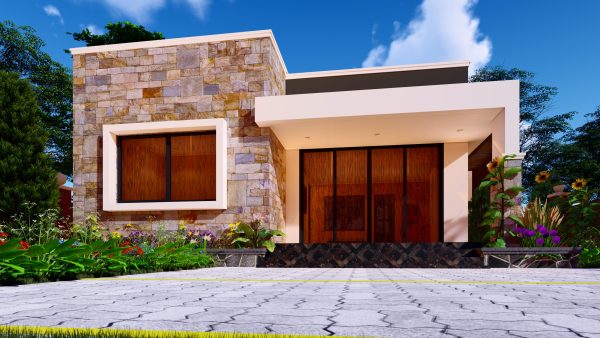
2-Bedroom House Plan
Original price was: $ 300.$ 250Current price is: $ 250. -
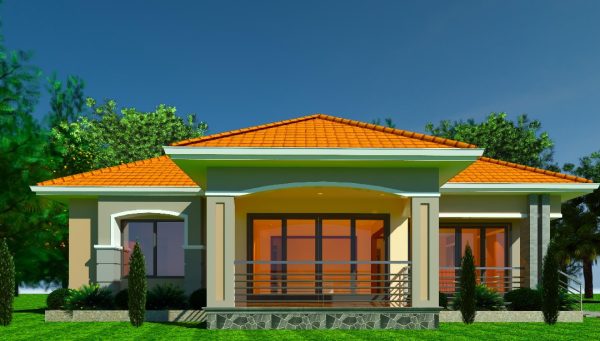
2-Bedroom House Plan Modern Residential Design
Original price was: $ 300.$ 250Current price is: $ 250. -
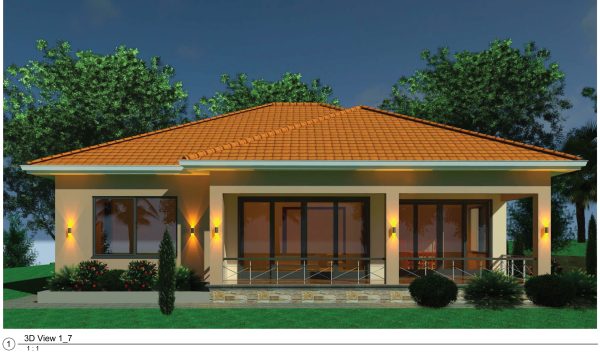
3 Bedroom Bungalow House Plan
Original price was: $ 300.$ 250Current price is: $ 250. -
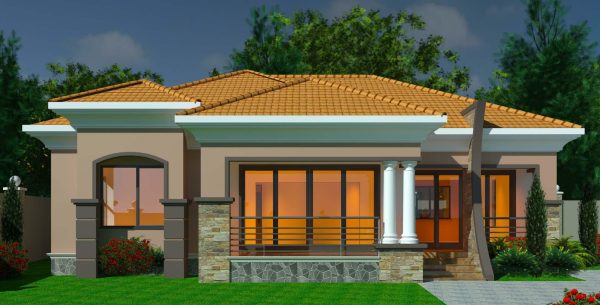
3 Bedroom Contemporary House Plan
Original price was: $ 300.$ 250Current price is: $ 250.
Residential construction in Uganda is steadily shifting toward practical, efficient and adaptable house designs. Today, developers and private homeowners are no longer focused only on appearance — they are prioritising functionality, affordability, build efficiency and long-term usability.
Why practical house designs matter today
Across Uganda, land sizes are changing, construction costs are rising and families are demanding better living standards. As a result, practical designs are becoming essential for:
- maximising limited plot sizes
- reducing construction waste and rework
- improving natural lighting and ventilation
- lowering long-term maintenance costs
A well-planned design allows homeowners to build once and live comfortably for many years.
Flexible layouts for growing families
Modern residential developments now favour layouts that can evolve with family needs. Practical house designs focus on:
- multipurpose living and dining areas
- expandable bedrooms or study spaces
- adaptable internal partitions
- provision for future extensions
This flexibility helps families avoid costly structural changes in the future.
Efficient use of space and land
In many urban and peri-urban areas, plots are becoming smaller. Practical designs are therefore centred on:
- compact footprints
- vertical planning (bungalows with optional future storeys)
- smart circulation corridors
- reduced unused internal space
This allows developers to deliver comfortable homes without increasing land requirements.
Construction efficiency and cost control
From a developer’s and contractor’s perspective, practical designs significantly improve project delivery. They:
- simplify structural layouts
- reduce complex formwork and detailing
- improve material estimation accuracy
- shorten construction timelines
This translates into predictable budgets and smoother site operations.
Better environmental performance
Modern practical house designs also address climate and comfort. Key features increasingly adopted include:
- wider window openings for airflow
- shaded outdoor spaces and verandas
- roof and wall designs that reduce heat gain
- improved drainage and site layout planning
These elements help produce homes that remain comfortable without heavy dependence on mechanical cooling.
Improved finishes and long-term durability
Residential developments today require finishes that balance quality and affordability. Practical designs make it easier to specify:
- durable flooring and wall finishes
- simplified ceiling and lighting layouts
- easy-to-maintain external finishes
This supports better long-term performance and reduced maintenance for homeowners.
What this means for residential developers
For residential developers across Uganda, practical house designs offer clear advantages:
- faster approval and construction cycles
- higher buyer confidence
- easier standardisation for estate developments
- improved project profitability
Developments that prioritise usability and build efficiency are becoming more attractive to buyers and investors alike.
Final perspective
Practical house designs are now shaping the future of residential developments across Uganda. By focusing on space efficiency, flexibility, durability and build simplicity, developers and homeowners can deliver housing solutions that respond to today’s market realities while supporting long-term value and comfort.