
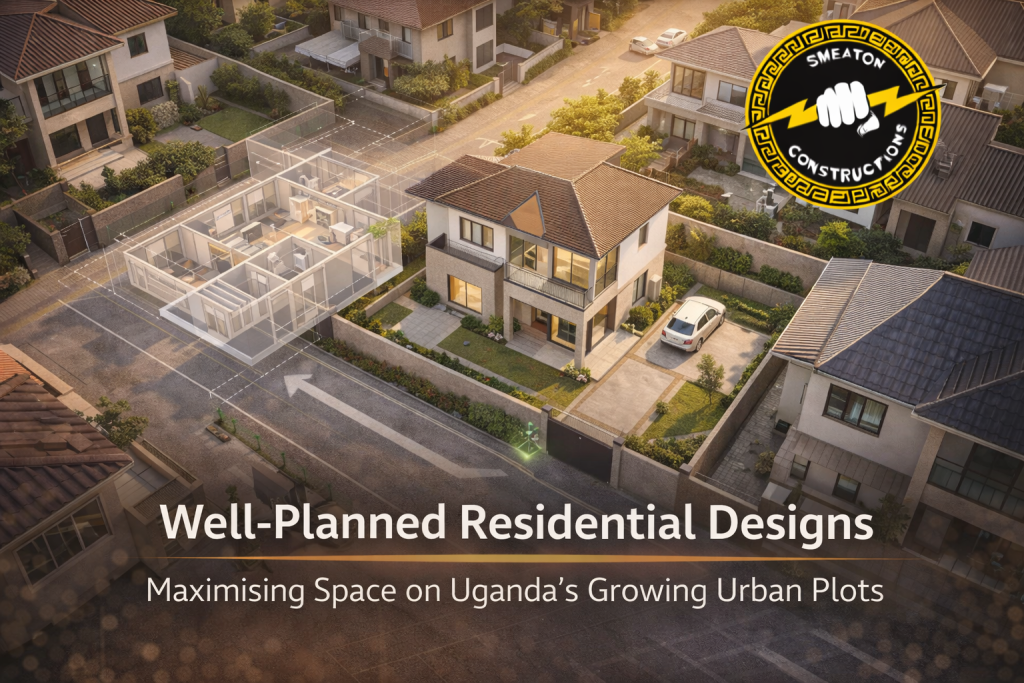
Urban development across Uganda is rapidly changing the way homes are designed. As towns and cities expand, available land for housing is becoming more limited, especially in busy residential areas.
Because of this, well-planned residential designs are becoming essential. Proper planning ensures that even smaller plots can support comfortable, functional and efficient homes.
At Smeaton Constructions, residential house plans are increasingly developed to maximise space while maintaining comfort, privacy and long-term usability.
-
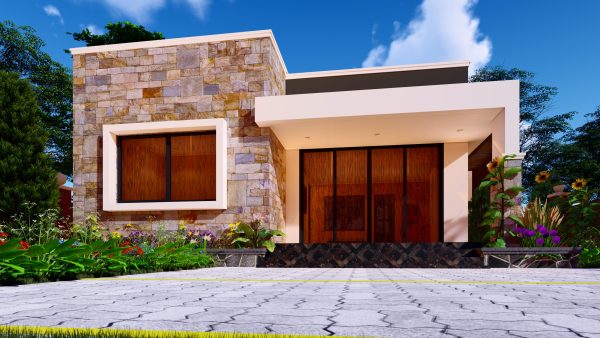
2-Bedroom House Plan
Original price was: $ 300.$ 250Current price is: $ 250. -
2-Bedroom House Plan Modern Residential Design
Original price was: $ 300.$ 250Current price is: $ 250. -
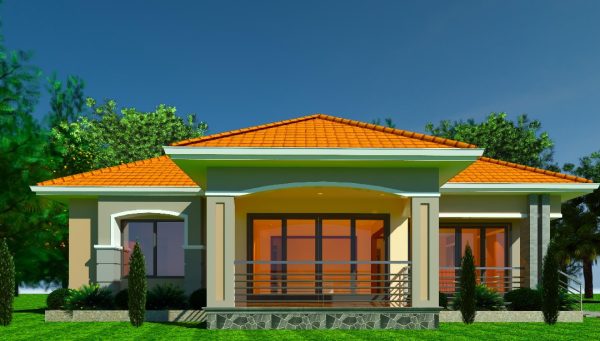
3 Bedroom Bungalow House Plan
Original price was: $ 300.$ 250Current price is: $ 250.
The challenge of shrinking urban plot sizes
In many urban and peri-urban areas, residential plots are becoming smaller due to population growth and increased housing demand.
This creates design challenges such as:
- limited outdoor space
- restricted building footprints
- need for efficient circulation inside the house
- balancing privacy with compact layouts
Without proper design planning, small plots can easily result in overcrowded or poorly organised homes.
Smart layout planning improves space utilisation
A well-designed layout allows every square metre of a house to serve a clear purpose.
Effective layout planning focuses on:
- proper room positioning
- efficient movement between spaces
- balanced living and private areas
- functional kitchen and service zones
Good planning eliminates wasted space and improves daily living comfort.
Vertical expansion for urban homes
As land becomes more limited, many residential projects are moving toward multi-level house designs.
Vertical expansion allows homeowners to:
- increase living space without enlarging the footprint
- create separate family and guest areas
- include home offices or rental units
- maintain outdoor space for parking or gardens
Two-storey and multi-storey houses are becoming common solutions in growing urban centres.
Open-plan living areas for better space flow
Modern residential designs increasingly use open-plan concepts.
Combining spaces such as:
- living rooms
- dining areas
- kitchens
creates a sense of openness while allowing better movement within the house.
Open layouts also improve natural lighting and ventilation.
Integrating storage into residential designs
Storage planning is essential for maximising space in urban homes.
Modern house designs include:
- built-in wardrobes
- kitchen storage systems
- concealed cabinets
- efficient utility areas
These features keep living areas organised while reducing clutter.
Planning for future expansion
Well-planned residential designs also consider the future needs of homeowners.
Many houses are designed to allow:
- additional rooms later
- upper-floor extensions
- separate rental units
- expanded service areas
Planning for growth ensures the home remains functional as family needs change.
Improving natural light and ventilation
Even on smaller plots, thoughtful design can ensure good environmental comfort.
This includes:
- strategic window placement
- cross-ventilation planning
- well-positioned courtyards or light spaces
- careful building orientation
These elements improve indoor comfort without increasing building size.
Supporting sustainable urban housing
Efficient residential designs help create more sustainable urban communities by:
- reducing land pressure
- improving energy efficiency
- supporting organised neighbourhood planning
- promoting better living environments
Good design benefits both homeowners and the wider urban landscape.
Final outlook
As Uganda’s urban areas continue to grow, residential design must adapt to changing land availability and modern lifestyle needs.
Well-planned house layouts that maximise space will play a crucial role in delivering comfortable and efficient homes for the future.
Thoughtful planning ensures that even smaller plots can support high-quality residential living.