
A Major Step Toward Industrial Growth and Economic Transformation
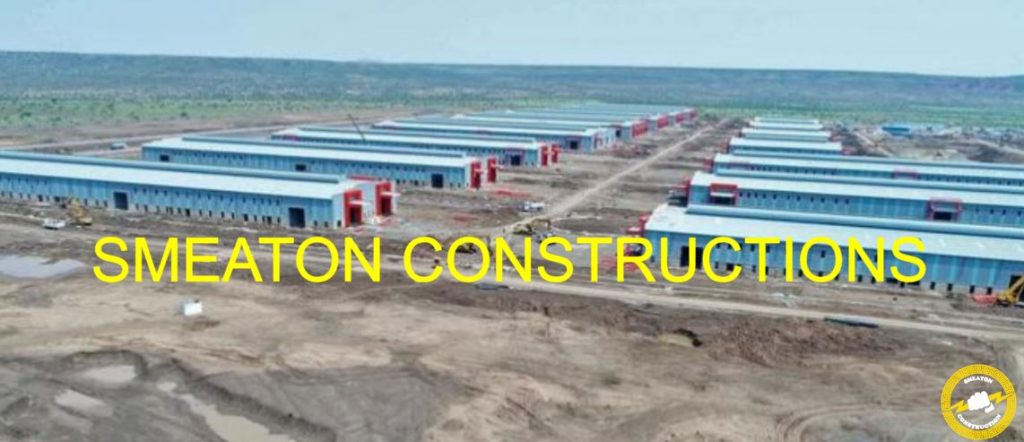
Uganda has announced plans to construct 25 new industrial parks across the country, marking a significant milestone in the nation’s journey toward industrialization, job creation, and sustainable economic growth. This ambitious initiative is expected to strengthen local manufacturing, attract investors, and reduce unemployment nationwide.
The industrial parks will be strategically distributed across different regions to ensure balanced development and improved access to industrial infrastructure for businesses and entrepreneurs.
Why Industrial Parks Matter for Uganda
Industrial parks play a critical role in modern economies. In Uganda’s case, the planned parks are designed to:
- Boost local manufacturing and value addition
- Reduce reliance on imported goods
- Create thousands of direct and indirect jobs
- Support small and medium enterprises (SMEs)
- Improve export competitiveness
By providing serviced land, reliable utilities, and organized industrial zones, these parks will help businesses operate more efficiently and sustainably.
Strategic Location Across All Regions
The 25 industrial parks will be spread across key regions of Uganda, ensuring that both urban and rural areas benefit from industrial growth. This regional approach helps to:
- Reduce rural-to-urban migration
- Promote regional economic balance
- Support local raw material processing
- Encourage infrastructure development around host communities
Districts hosting industrial parks are expected to experience improved road networks, housing demand, and commercial activity.
Opportunities for the Construction Sector
The construction of industrial parks creates massive opportunities for the building and construction industry. These include:
- Industrial building construction
- Warehousing and factory structures
- Road and drainage infrastructure
- Power, water, and sanitation systems
- Workers’ housing and commercial facilities
Companies like Smeaton Constructions play a vital role in delivering durable, modern, and cost-effective structures that support long-term industrial use.
Job Creation and Skills Development
Once operational, the industrial parks will employ:
- Engineers and technicians
- Factory workers and supervisors
- Administrators and logistics personnel
- Construction and maintenance teams
Beyond employment, the parks will also promote skills transfer, technology adoption, and innovation among Ugandans.
Impact on Housing and Urban Development
Industrial parks naturally increase demand for:
- Affordable housing for workers
- Rental apartments and estates
- Commercial centers and services
- Schools, health facilities, and social infrastructure
This growth opens opportunities for planned residential developments, an area where Smeaton Constructions continues to deliver trusted housing solutions across Uganda.
Smeaton Constructions’ Role in Uganda’s Industrial Future
As Uganda expands its industrial footprint, Smeaton Constructions remains committed to supporting development through:
- Industrial and commercial building construction
- Affordable housing near industrial zones
- Structural engineering and finishing works
- Sustainable and climate-resilient construction practices
Our experience across multiple districts positions us as a reliable partner in Uganda’s growing industrial economy.
Giving Hope Through Development
Industrial growth should uplift communities. As Smeaton Constructions, we continue to support Giving Hope to a Child, helping provide affordable housing solutions for vulnerable children and families. Development is not only about buildings—it’s about improving lives.
Conclusion
The construction of 25 industrial parks across Uganda is a bold and transformative move that will reshape the country’s economic landscape. With improved infrastructure, job creation, and regional development, Uganda is laying a strong foundation for long-term prosperity.
Smeaton Constructions is proud to be part of this journey—building today for a stronger, industrialized Uganda tomorrow.