
Products by Category
-
Horizontal Rectangular Plastic Water Tank – Low Profile HDPE
Price range: $ 68 through $ 440 -
B.R.C Reinforcement Mesh Sheets – All Sizes Available
Price range: $ 72 through $ 295 -
Plascon WoodCare Exterior
Original price was: $ 82.$ 75Current price is: $ 75. -
PEX Pipes (Cross-Linked Polyethylene) – Hot & Cold Water Plumbing
Price range: $ 78 through $ 200 -
Modern Kitchen Sink Faucet – Single Lever Mixer Tap (Chrome Finish)
Original price was: $ 95.$ 82Current price is: $ 82. -
Vertical Plastic Water Storage Tank – UV Protected
Price range: $ 85 through $ 2,050 -
Global Super Gloss Paint
Original price was: $ 95.$ 85Current price is: $ 85. -
Sadolin Premium Eggshell Enamel – White (20L)
Original price was: $ 90.$ 87Current price is: $ 87. -
Blue Plastic Water Storage Tank – UV Protected (Horizontal & Vertical)
Price range: $ 90 through $ 2,150


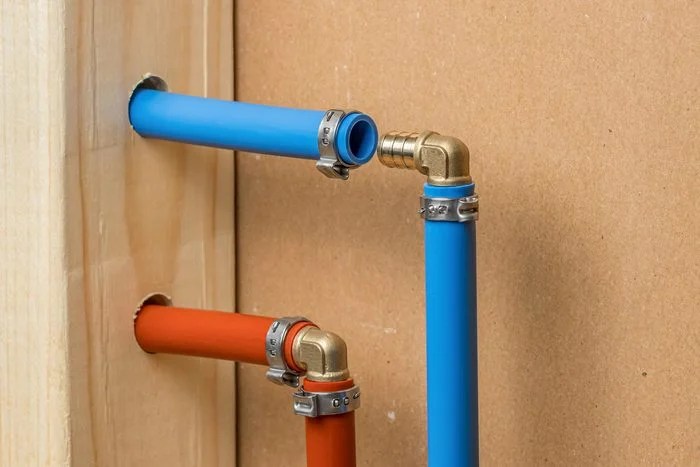


Building materials are among the biggest investments in any construction project. From cement and reinforcement steel to roofing, plumbing, electrical products and finishing materials, the quality of what goes into a building can influence its durability, performance and long-term maintenance.
For homeowners and contractors in Uganda, choosing building materials should therefore involve more than comparing prices.
Whether you are building a family home, commercial property or another development, these nine checks can help you make more informed purchasing decisions.
1. Know Exactly What Your Project Requires
Before buying materials, start with the house plan, specifications and construction requirements.
Different parts of a building require different products, quantities and specifications.
Buying materials without understanding the project can lead to unnecessary purchases, shortages or products that are unsuitable for the intended application.
A clear materials list is therefore one of the first steps toward better purchasing.
2. Check the Product and Packaging
When purchasing manufactured building products, examine the packaging and product information carefully.
Look for details such as:
- Product name
- Manufacturer
- Specifications
- Batch or production information where applicable
- Recommended application
- Relevant quality or standards information
Damaged, poorly labelled or suspicious packaging should be treated carefully.
3. Consider the Manufacturer or Supplier
Knowing where a product comes from can make purchasing decisions easier.
Established manufacturers and reputable suppliers generally provide clearer information about their products and intended applications.
For major construction purchases, keep records such as quotations, invoices and delivery documents.
This can make it easier to track what was purchased for the project.
4. Do Not Choose Materials Based Only on Price
Price is naturally an important part of construction budgeting.
However, the cheapest product is not automatically the most economical option.
A material that performs poorly, becomes damaged quickly or is unsuitable for the project can create additional costs later.
Instead, compare price, quality, suitability, durability and expected performance.
5. Inspect Materials When They Arrive
Purchasing the right product is only part of the process.
Materials should also be checked when delivered to the construction site.
Compare the delivery against the quotation or order and look for visible damage, incorrect quantities or products that do not match what was requested.
Early inspection makes it easier to address problems before materials are incorporated into the building.
6. Store Materials Correctly
Even quality materials can be damaged through poor storage.
Cement, steel, timber, roofing products, electrical accessories, plumbing materials and finishing products may all require different storage conditions.
Materials should be protected from unnecessary exposure to moisture, weather, contamination and physical damage.
Proper storage helps ensure that products reach the construction stage in usable condition.
7. Ask Questions Before You Purchase
If you are unsure about a product, ask the supplier or relevant construction professional.
Important questions can include:
- What is this material designed for?
- What specification does it meet?
- How should it be stored?
- How much is required?
- Are there installation requirements?
- Is there a suitable alternative?
Getting answers before purchasing can prevent expensive mistakes later.
8. Buy According to the Construction Schedule
Buying everything at once may not always be practical.
Materials should be coordinated with the construction programme so that products arrive when they are required.
This can reduce unnecessary storage and help manage cash flow throughout the project.
However, some materials may require advance ordering depending on availability and delivery conditions.
9. Work With a Reliable Hardware Supplier
A reliable supplier can make material procurement easier.
Instead of treating hardware purchasing as a series of individual transactions, contractors and homeowners can work with suppliers who understand different categories of construction materials and can provide updated quotations.
This can simplify planning and help keep the project organised.
Why Material Quality Matters
Building materials eventually become part of a structure that people depend on.
Cement, reinforcement, roofing, plumbing, electrical systems and finishing products all contribute to different aspects of a building’s performance.
Using appropriate materials and installing them correctly can therefore support the overall quality of the project.
Material Prices Can Change
Construction material prices are not always fixed.
Supply and demand, transportation and fuel costs, manufacturer or supplier updates, delivery location and other market factors can affect the final price.
For this reason, homeowners and contractors should obtain current quotations before making major purchases rather than relying on old prices.
Smeaton Hardware for Construction Materials
Smeaton Hardware provides a range of building products for different construction requirements, including cement and aggregates, steel and reinforcement, roofing and ceiling products, plumbing and sanitary materials, electrical products and finishing accessories.
For current pricing and availability, customers can request an updated quotation based on their specific requirements and delivery location.
Buy Smart, Build With Confidence
Choosing building materials is an important part of construction planning.
Instead of focusing only on the lowest price, consider the product’s quality, specifications, suitability, source, storage requirements and long-term value.
A well-planned purchasing process can help reduce waste, avoid unnecessary delays and support better construction outcomes.
Looking for building materials in Uganda? Contact Smeaton Hardware for construction materials and an updated quotation based on your project requirements.